

Tips for Integrating Home Automation Without Sacrificing Aesthetics
Home automation has become increasingly popular as homeowners seek convenience, energy efficiency, and enhanced security. Smart lighting, climate control, security cameras, and voice-activated devices enable residents to manage their homes more easily and precisely. However, integrating these technologies can sometimes clash with interior design, leading to cluttered spaces or visible hardware that detracts from aesthetic appeal. Understanding the balance between functionality and design is essential. Thoughtful planning and the selection of smart devices can ensure that home automation enhances the living experience without compromising the space’s visual harmony and style.
Incorporating Smart Systems Into Existing Architecture
Integrating home automation without altering aesthetics often involves careful consideration of existing architectural elements. Built-in solutions, such as concealed speakers, recessed lighting, or hidden sensors, allow technology to function effectively while remaining out of sight. Wiring and network infrastructure can be routed through walls, ceilings, or cabinetry to avoid exposed cables that may disrupt the room’s appearance. By designing the layout with both technology and aesthetics in mind, homeowners can preserve the integrity of their interiors while enjoying the benefits of modern automation. Planning integration at the early stages of renovation or remodeling ensures the most seamless and visually appealing results.
Using Centralized Control Systems

Centralized control systems can further reduce visual clutter by consolidating multiple smart devices into a single interface. Instead of having individual panels or switches scattered throughout the home, homeowners can manage lighting, security, climate, and entertainment systems through a unified tablet, smartphone, or wall-mounted panel. This approach minimizes the number of visible controls, creating a cleaner, more organized environment. Centralized systems also enhance usability, allowing homeowners to interact with the technology intuitively without sacrificing style or compromising room aesthetics.
Choosing Discreet and Design-Friendly Devices
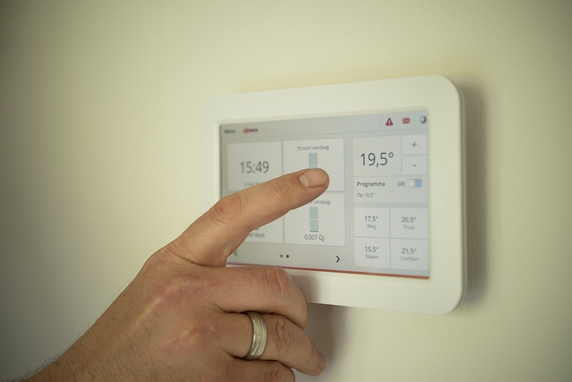
One of the most effective strategies for maintaining aesthetics is selecting devices that blend seamlessly with home interiors. Many smart home products are now designed with minimalistic forms, neutral colors, and compact sizes that integrate easily into existing décor. For example, smart thermostats can feature sleek touchscreens, while lighting controls can resemble traditional switches. Homeowners should prioritize devices that are unobtrusive or offer flexible placement options to maintain a cohesive design scheme. The goal is to incorporate technology as a subtle enhancement rather than a dominant feature that disrupts the home’s overall visual flow.
Balancing Technology With Interior Design
Maintaining aesthetics requires thoughtful integration that complements existing décor. Homeowners should consider how the placement, color, and style of smart devices interact with furniture, finishes, and architectural details. Using coordinated materials, finishes, and subtle design cues ensures that automation feels like a natural extension of the space rather than an intrusive addition. Additionally, incorporating technology into decorative elements, such as smart mirrors, art frames, or embedded lighting, can enhance the home’s style while serving functional purposes. This approach ensures that automation contributes to the overall design narrative rather than detracting from it.
Integrating home automation without sacrificing aesthetics requires careful selection, placement, and planning of smart devices. By choosing design-friendly products, concealing infrastructure, using centralized control systems, and harmonizing technology with interior design, homeowners can enjoy the convenience and efficiency of a smart home while preserving the visual appeal of their spaces. Thoughtful integration ensures that technology enhances the living environment subtly and seamlessly, demonstrating that innovation and style can coexist harmoniously in modern homes.…